Common Misconceptions About Oral Hygiene Debunked

Updated: Apr 28
Oral hygiene is often surrounded by myths and misconceptions that can lead to poor dental health. Many people believe they are taking care of their teeth and gums, but they may be falling prey to misinformation. In this blog post, we will explore some of the most common misconceptions about oral hygiene and provide you with the facts you need to maintain a healthy smile.
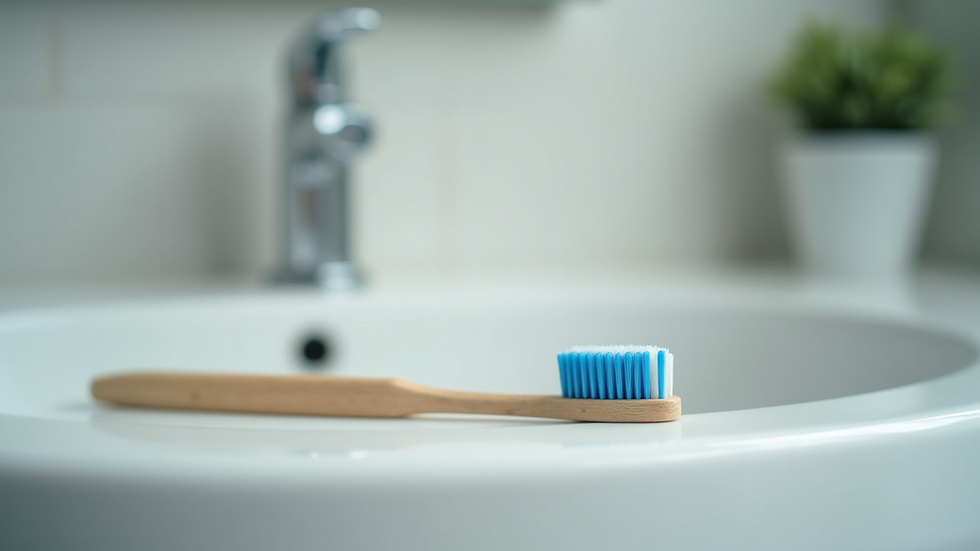
Misconception 1: Brushing Harder Cleans Better
One of the most prevalent myths is that brushing harder will result in cleaner teeth. In reality, brushing too hard can damage your gums and enamel. The goal of brushing is to remove plaque and food particles without causing harm.
The Right Technique
Use a soft-bristled toothbrush: This helps prevent damage to your gums and enamel.
Brush gently: Focus on technique rather than force. Use circular motions and ensure you cover all surfaces of your teeth.
Duration matters: Brush for at least two minutes, twice a day, to effectively remove plaque.
Misconception 2: You Only Need to Brush Your Teeth
Many people think that brushing alone is sufficient for good oral hygiene. While brushing is crucial, it is not the only step you should take.
Comprehensive Oral Care Routine
Floss daily: Flossing removes food particles and plaque from between your teeth where your toothbrush can't reach.
Use mouthwash: A mouthwash can be used as an adjunctive modality to help reduce plaque.
Regular dental visits: Schedule check-ups and cleanings every six months to catch any issues early.
Misconception 3: Sugar is the Only Cause of Cavities
While sugar is a significant contributor to tooth decay, it is not the sole culprit. Cavities can form due to various factors, including poor oral hygiene, acidic foods, and even genetics.
Understanding Cavities
Acidic foods: Citrus fruits, soda, fruit juice and wine can erode enamel, making teeth more susceptible to decay.
Bacteria: The bacteria in your mouth feed on sugars and produce acid that attacks your teeth.
Genetics: Some people may be more prone to cavities due to hereditary factors.
Misconception 4: Whitening Products Damage Teeth
Many people avoid teeth whitening products due to fears that they will harm their enamel. However, when used correctly, most whitening products are safe and effective.
Safe Whitening Practices
Consult your dentist: Before starting any whitening treatment, discuss it with your dentist to find the best option for you.
Follow instructions: Always adhere to the recommended usage guidelines to avoid overuse.
Consider professional whitening: In-office treatments can provide safe and effective results under the supervision of a dental professional.
Misconception 5: Bad Breath is Normal
While occasional bad breath can happen to anyone, chronic bad breath (halitosis) is not normal and often indicates an underlying issue.
Causes of Bad Breath
Poor oral hygiene: Inadequate brushing and flossing can lead to plaque build- up and bad odours.
Cavities: existing cavities may lead to food traps, which will inevitably lead to bad breath.
Diet: Certain foods, like garlic and onions, can contribute to temporary bad breath.
Health issues: Conditions such as gum disease, dry mouth, sinus infections and other systemic diseases can cause persistent bad breath.
Misconception 6: You Should Rinse After Brushing
Many people rinse their mouths with water immediately after brushing, thinking it helps wash away toothpaste residue. However, this can dilute the fluoride and reduce its effectiveness.
Best Practices After Brushing
Spit, don’t rinse: After brushing, simply spit out the excess toothpaste and avoid rinsing with water.
Wait before eating or drinking: Allow the fluoride to remain on your teeth for at least 30 minutes before consuming anything.
Misconception 7: Dental Visits are Only for Emergencies
Some individuals believe that they only need to see a dentist when they have a problem. This misconception can lead to more significant issues down the line.
Importance of Regular Check-ups
Preventive care: Regular visits help catch issues early, preventing more extensive and costly treatments later.
Professional cleaning: Dentists can remove tartar build-up that regular brushing cannot.
Oral cancer screenings: Dentists can identify signs of oral cancer during routine exams.
Misconception 8: Children Don’t Need to Worry About Oral Hygiene
Parents often think that children’s baby teeth don’t require much care since they will eventually fall out. However, this is a dangerous misconception.
Importance of Early Oral Care
Foundation for adult teeth: Healthy baby teeth help guide adult teeth into place.
Preventing decay: Cavities in baby teeth can lead to pain and infection, affecting overall health.
Establishing habits: Teaching children good oral hygiene habits early on sets the stage for a lifetime of healthy teeth.
Misconception 9: Mouthwash Can Replace Brushing
While mouthwash can be a helpful addition to your oral hygiene routine, it should never replace brushing and flossing.
Role of Mouthwash
Supplemental care: Mouthwash can help reduce bacteria and freshen breath but does not remove plaque like brushing does.
Specific needs: If you have sensitive teeth, consider toothpaste designed for sensitiv
Conclusion
Understanding the truth behind these common misconceptions about oral hygiene is crucial for maintaining a healthy smile. By debunking these myths, you can take proactive steps to improve your oral health. Remember to brush gently, floss daily, and visit your dentist regularly. Your smile deserves the best care possible.
Take charge of your oral hygiene today and share this information with friends and family to help them avoid these common pitfalls. A healthy mouth leads to a healthier you!


Comments